What Do You Do To Know If You're Set To Go After Seated Rollator
The Convenience of a Sitting Rollator A seated rollator is lightweight and compact, making it easy to carry and store. This makes it possible for seniors to remain active in their community and enjoy daily activities with renewed confidence and dignity. Keeping a seated rollator in good condition is essential for ensuring safety. Regular inspections of the brakes and wheels can prevent accidents. Stability The frame of a rollator for seated use is usually made from durable materials like aluminum or steel. More about the author guarantees stability and durability. The frame also helps to support the weight of a user, making it easy for them to maintain balance and remain upright while they sit. This is especially important for people with mobility limitations, since it allows them to sit down without needing to find an area to sit or lean against something. The cable loop brake is the most commonly used brake type that is used on an sitting roller. It works in the same way as brakes on bikes. Users have to squeeze the levers and handles simultaneously using both hands to activate the brakes. When the brakes are activated, they will remain locked until the user is ready to release them and start walking again. This type of braking system is very convenient for users as it allows them to quickly and safely stop their rollator in any situation. The research suggests that seated rollators enhance the stability of movement in young, able-bodied individuals when the handle height is correctly adjusted and positioned. This means less time needed for realizing the seat-off, better control of COPfeet and sway control when sitting down and standing up, and an upright standing posture when achieving an upright posture. The improvement in movement stability is due to the additional sensorimotor input offered by full rollator support as opposed to touch, which provides only spatial information as an haptic cue. To make use of a rollator sitting, sit down with your back toward the seat. Use the handles to support. To prevent the seated roller from rolling away, make sure the brakes are locked before moving forward. Relax gently and slowly on the seat, ensuring that your feet are placed in a straight line and are firmly under your. Once you're in a good position then slowly lean your body forward and hold the handles. This will allow you to shift your weight onto your legs. When you're ready to walk let the brakes go and align yourself between the rear wheels of the seated rollator. Convenience As opposed to a regular walker the seated rollator has a built-in seat to offer resting support in the event of need. This is particularly useful when people have long periods of standing everyday activities. In the waiting room of a doctor or at the checkout of a grocery store isn't an easy task for people who have mobility issues. With the ability to sit down, a seated rollator can enable them to rediscover many opportunities for enjoyment and independence that were unattainable without it. Rollators are available in a variety of different styles to meet the needs of each user. The frame is typically lightweight and durable, which helps to improve mobility and walking speed, as well as self-confidence. Aluminum is often used to make a light frame that still provides the strength required by those with weight restrictions. A comfortable seat with a cushion and storage options are often included on these mobility aids. It is important to consider the height of the handle and seat when looking at the rollator. To determine the proper handle height, the user must stand in their normal shoes with their arms by their sides and their elbows slightly bent. This measurement will indicate the proper size of the handle to ensure maximum safety and comfort. You can utilize the same method to determine the proper seat-to floor height. The ideal seat height is one that allows the user to sit comfortably and keep their feet on the ground. A seated rollator should have hand brakes in place to allow effortless stopping and to maintain control over the device when it is not in use. These brakes are similar to brakes of a bicycle and can be engaged by simultaneously squeezing both handles and levers. Certain models have brakes that slow down to provide extra security when going downhill. A seated rollator may be equipped with a basket for storing personal items, groceries or other necessities for shopping. The baskets are designed to fold along with the unit to make it easy to transport and store. Additionally, walker trays as well as cup holders can be positioned on the handles of a seated rollator for quick access to drinks or snacks while walking. Safety The safety of a rollator depends on the capability of the user to keep their balance and operate the device in a safe manner. It is also essential to be aware of the terrain, and be aware when driving on doorsteps or curbs. The brakes on the device should be locked before the user is seated on the seat, and released when they are ready to stand. Adjusting the handle height to be in line with the natural arm length will increase stability. This reduces strain and promotes a better posture. It is also important not to be being too slouching or leaning too much on the handles while walking, since doing so could cause fatigue quickly. Another consideration is the type of brake system that the device has. Most seat-mounted rollators have brakes that are locked which ensures that the device won't accidentally move away from the person who is sitting. The most commonly used type of brake is the cable loop system, which functions similarly to the brakes found on adult bicycles. To engage the brakes the user has to squeeze one or both brake levers that are located on either side of their seat. This system is a good alternative for those who do not have the strength to operate the brakes with push-down levers or are susceptible to forgetting to engage the brakes. A seated rollator gives the possibility of relaxing while out in public without needing to hunt for chairs which can be exhausting and uncomfortable on tender joints. This feature is especially helpful in crowd-filled areas such as stadiums and parks in which finding seats with the appropriate height can be a challenge. Most rollators come with a basket or pouch to store items such as food, medications and personal hygiene items. Some models have an additional compartment under the seat to provide even more storage space. A variety of accessories can be purchased separately like a bag organizer, cup or cane holder, as well as a snack tray. It is important to keep in mind that any modifications made without authorization or the use of non-original accessories can cause safety hazards and invalidate any warranties that the device may have. It is recommended that users seek advice from a manufacturer or dealer about possible modifications or improvements prior to making them. Customization Rollators are available in various sizes and shapes to suit the requirements of different types of users. For instance for those who require a light weight and compact design that can easily maneuver in tight areas, a three-wheeled model is usually a great option. These models are more mobile and lighter and have a frame which folds and can easily fit into a trunk. Four-wheeled rollators have more stability than three-wheeled models. They are the best choice for people who have mobility issues that are more difficult. The four wheels allow them to move on different terrains, both indoors and out. These models also come with a seat so that users can rest comfortably on longer trips. 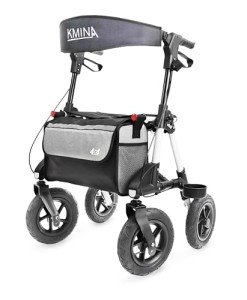 Along with a seat and a seat, some rollators come with storage areas to hold personal items and make it easier for people to travel without needing to go back to their vehicle for more supplies. The storage options can even be a great method to keep everyday essential items within reach, which reduces the risk of falling while reaching to take something from a distant area. Users of the Rollator can also customize their device by adding features and accessories. This could include a basket or pouch to carry snacks, medications or other items, and helps keep them organized traveling. Some rollators come with brake handles that are ergonomically shaped to ease pressure on the hands and let the user control the device effortlessly. Other models come with locking mechanisms for parking or stopping. Rollators can be adjusted to suit the height of their users. The knob makes quick and easy adjustments. This makes it simple for anyone to pick the height they prefer. A variety of hand brake designs are available, such as loop-lock brakes, which require the user to put their hands in rubber loops made of plastic on the handlebars or push-down brakes which function similar to bicycle brakes. Some manufacturers also have barsiatric models with larger seats for larger-framed users.